We Speak Volumes: Identifying Brands Committed to Transparency
Without understanding the scale of garment production, we can’t truly grasp the magnitude of the problem. Knowing the numbers is the first step to creating effective policies that address overproduction and push for meaningful change in the industry.
The Speak Volumes label may only be used by companies that have publicly disclosed their production volumes and submitted this information to The Or Foundation through the Speak Volumes Participation Form.
Why Should a Brand Participate to Speak Volumes
- We do not have accurate data on the size of the fashion industry – the available statistics suggest that between 80bn and 150bn new garments are made every year. This is an embarrassing data gap.
- If we are going to clean up fashion’s waste crisis, develop data-driven policies and transition from a linear to a circular economy, we need to know how many garments exist.
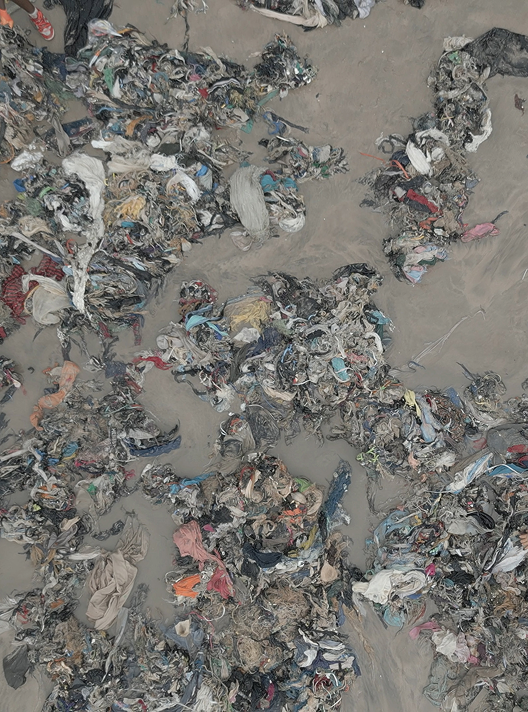
- Despite a lack of data, textile waste is wreaking havoc on ecosystems and communities around the world such as Ghana’s Kantamanto Market, Chile’s Atacama desert and Kenya’s Dandora Dumpsite.
- Unlike the carbon footprint for their products, production volume is a data point that is easy for brands to calculate. Unlike many other measurements of sustainability, production volume is a data point that is easy for the average consumer to understand.
- Production volumes impact everyone along the value chain including garment workers, retail associates, designers, delivery drivers, secondhand retailers and waste pickers.